

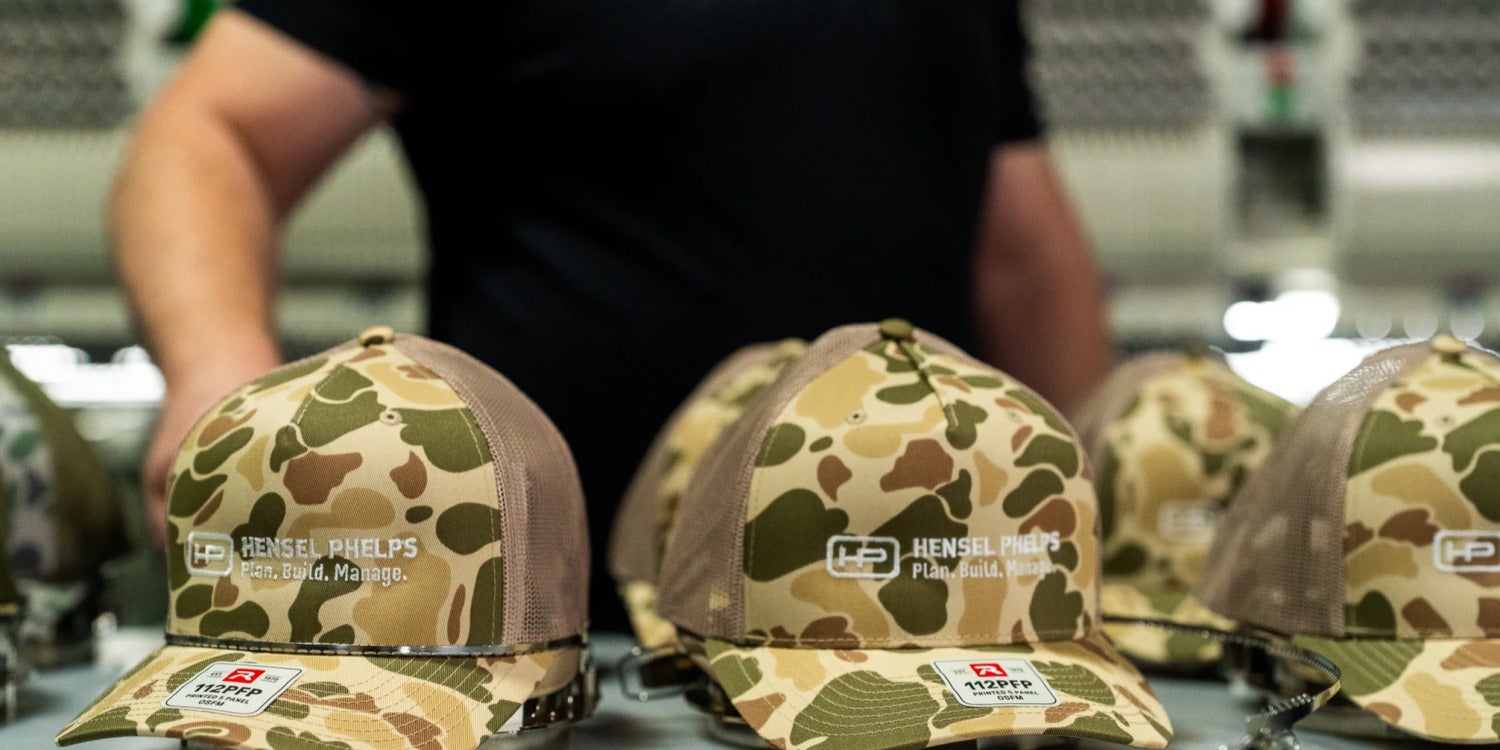
Is Your Branded Merch Pulling Its Weight?
Mid-Year Check: Is Your Branded Merch Doing Its Job?
We’re halfway through the year, which makes this a good time to ask a simple question: is your branded merch actually working?
When your company invests in branded merchandise, those items should support a real business goal. Whether you’re ordering team gear, employee apparel, client gifts, event giveaways, or promotional products, each item should help people remember your brand, strengthen relationships, build team pride, support recruiting, drive visibility, or make an event feel more polished and intentional.
If you’re not sure whether your branded merch is doing any of that, this is your mid-year reality check.
The good news is that you don’t need to start from scratch. A few thoughtful adjustments now can help you get more value from what you order, avoid rushed decisions later, and make sure your brand shows up consistently through the rest of the year.
Start with the Purpose of Your Branded Merch
Before you look at new promotional products, look at the reason behind them.
Too often, companies order branded merch because they need “something” for an event, a new hire kit, a client gift, a trade show, or a team outing. The order gets placed, the items arrive, and everyone moves on without asking whether those products actually did the job they were supposed to do.
A stronger approach starts with a few simple questions:
- What was the goal when you ordered these items?
- What problem were you trying to solve?
- Were you trying to increase brand visibility, support employee appreciation, improve recruiting, drive booth traffic, strengthen client relationships, or create a more consistent team presence?
- Have you seen a difference in that goal since the products were used?
If the answer is “not really” or “we didn’t define one,” that’s your first signal. Your branded merch may not be underperforming because the products were wrong. They may be underperforming because the strategy was unclear.
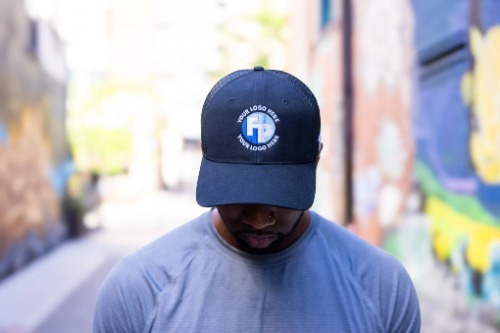
Review Where Your Branded Merch Shows Up
Once you know the purpose, look at where your branded merch is actually being used. Different moments call for different choices, and the same item won’t work equally well for employees, clients, prospects, recruits, and event attendees.
Your merch should match the people receiving it, the setting where it’s being used, and the action you want it to support.
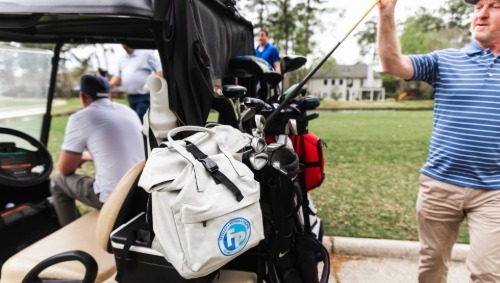
Team Gear
Start with employee apparel and team gear because it’s one of the easiest places to see whether your brand is connecting.
- Are employees actually wearing the items, or are they avoiding them?
- Have you received positive feedback about the fit, feel, or style?
- Does the gear match the work your team is doing, whether they’re in the office, on job sites, at events, or meeting with customers?
Team gear should help employees feel comfortable, confident, and connected to the company. If the apparel doesn’t fit well, feel good, or match their day-to-day environment, it won’t get worn. That means your brand loses visibility, and your team loses an opportunity to show up consistently.
Employee & Client Appreciation Gifts
Appreciation gifts should feel thoughtful, useful, and aligned with your brand. They should never feel like the leftover contents of the company swag closet.
Ask whether your gifts are being used, displayed, mentioned, or remembered. Consider whether they reinforce the qualities you want people to associate with your company, such as quality, style, care, attention to detail, or creativity.
For employees, the right branded merch can support recognition, retention, and team culture. For clients, it can strengthen relationships and keep your brand present in a way that feels helpful instead of forced.
If your appreciation gifts feel random, overly generic, or disconnected from the person receiving them, it may be time to rethink the approach.
Event Giveaways
Event giveaways have a harder job than many people realize. They need to attract attention, make sense for the audience, and be useful enough to keep after the event is over.
Look back at the events you’ve attended or hosted so far this year.
- Did the giveaways help draw attention to your booth, brand, or team?
- Did people actually take your items?
- Did you receive any feedback from people keeping and using your items?
- Did they align with your audience, or were they chosen because they were easy to order quickly?
The best event giveaways feel relevant to the people receiving them. They also support the event goal, whether that’s starting conversations, increasing booth traffic, creating brand recall, or giving prospects a reason to follow up.
Ask the Hard Questions About Your Swag
This is where the mid-year check gets honest.
- Would you be excited to receive your own swag?
- Does everything feel intentional, or does it feel a little random?
- Is your brand showing up consistently across apparel, gifts, giveaways, packaging, colors, and logo placement?
- Are your branded products helping people understand who you are, or are they simply adding more stuff to the table?
These questions matter because branded merch is often a physical extension of your brand. If the quality is low, the design feels dated, or the product doesn’t fit the moment, people notice. If the item feels useful, well-made, and intentionally chosen, they notice that too.
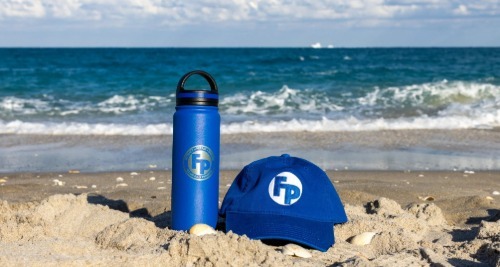
What Strong Brands Do Differently with Branded Merch
The brands that finish the year strong usually don’t wait until Q4 to figure out what they need. They plan ahead, choose products with a clear purpose, and keep their branding consistent across every touchpoint.
They think about recruitment, retention, client appreciation, event visibility, and year-end gifting before the deadlines get tight. They choose branded merch people actually use, and they avoid ordering random items just because they’re available fast and cheap.
Most importantly, they connect their products to real goals.
If the goal is employee retention, the product should feel like genuine appreciation. If the goal is recruiting, the product should help candidates feel excited about the company. If the goal is visibility, the product should be something people will use in public. If the goal is client loyalty, the gift should feel polished and useful enough to keep. That’s how branded merch moves from “nice to have” to a smarter part of your marketing and relationship-building strategy.
Small Tweaks Now Can Create Big Wins Later
You may not need a full overhaul to make your branded merch work harder. Sometimes the most impactful changes are simple.
You might upgrade materials and provide options that come in men’s and women’s fits so employees actually want to wear the apparel. You might simplify your product lineup so your brand feels more consistent. You might fix logo placement, adjust colors, improve packaging, or choose products that better match your audience.
You might also realize that certain items are doing a great job and should be reordered, refreshed, or built into a larger campaign.
A mid-year review helps you make those decisions with more clarity. It gives you time to plan for fall events, holiday gifting, employee appreciation, client thank-you's, and Q4 campaigns before the rush begins
Get Branded Merch That Shows Up With Purpose
Branded merch should do more than fill a table, check a box, or get handed out because “we always order something.”
It should support your goals, reflect your brand and culture, and give employees, clients, prospects, and event attendees something they actually want to use.
If your current swag feels random, inconsistent, or easy to forget, now is the right time to make a few intentional changes. With the right branded merch, your company can show up stronger through the rest of the year and head into Q4 with a plan instead of a scramble.